My name is Carmen Hernández, founder of the Asociación de Proveedoras Unidas and community coach committed to the professional development of educators in the state of Wisconsin. This year 2024 has been especially significant, as I have had the honor of facilitating in Spanish. The new fundamental training for early childhood educators in Milwaukee.
These trainings provide access to updated information, practical tools and spaces for professional dialogue, fostering the growth and strengthening of child care in our communities. Participants have demonstrated a high level of commitment, openness to learning, and passion for improving the educational quality of the children in their care.
Transformation in basic training
From January 2024, the basic training required to enter the child care field in Wisconsin were completely updated, marking a historical change after more than two decades without significant changes. One of the most important changes was the definitive elimination of free exams (challenge tests), whose last date to be completed was December 31, 2023.
Starting this year, all essential training must be completed without fail with a coach approved by the Department of Children and Families (DCF), either in a modality in person or live virtual, with immediate participation and feedback.
These new trainings include:
- Introduction to the Childcare Profession (now lasting 50 hours)
- Skills and Strategies for the Childcare Teacher
- Fundamentals of Infant and Toddler Care
- Fundamentals of Family Child Care
- Principles of Child Care Certification
They have all been redesigned to be more dynamic, accessible, interactive and focused on the real needs of children, incorporating developmentally appropriate practices, cultural strategies and current contexts in the educational field.
Participation and empowerment
The sessions I have facilitated have had the enthusiastic participation of committed Hispanic educators with their professional development. Each meeting has been an opportunity to share experiences, learn from each other, and strengthen our identity as childcare professionals.
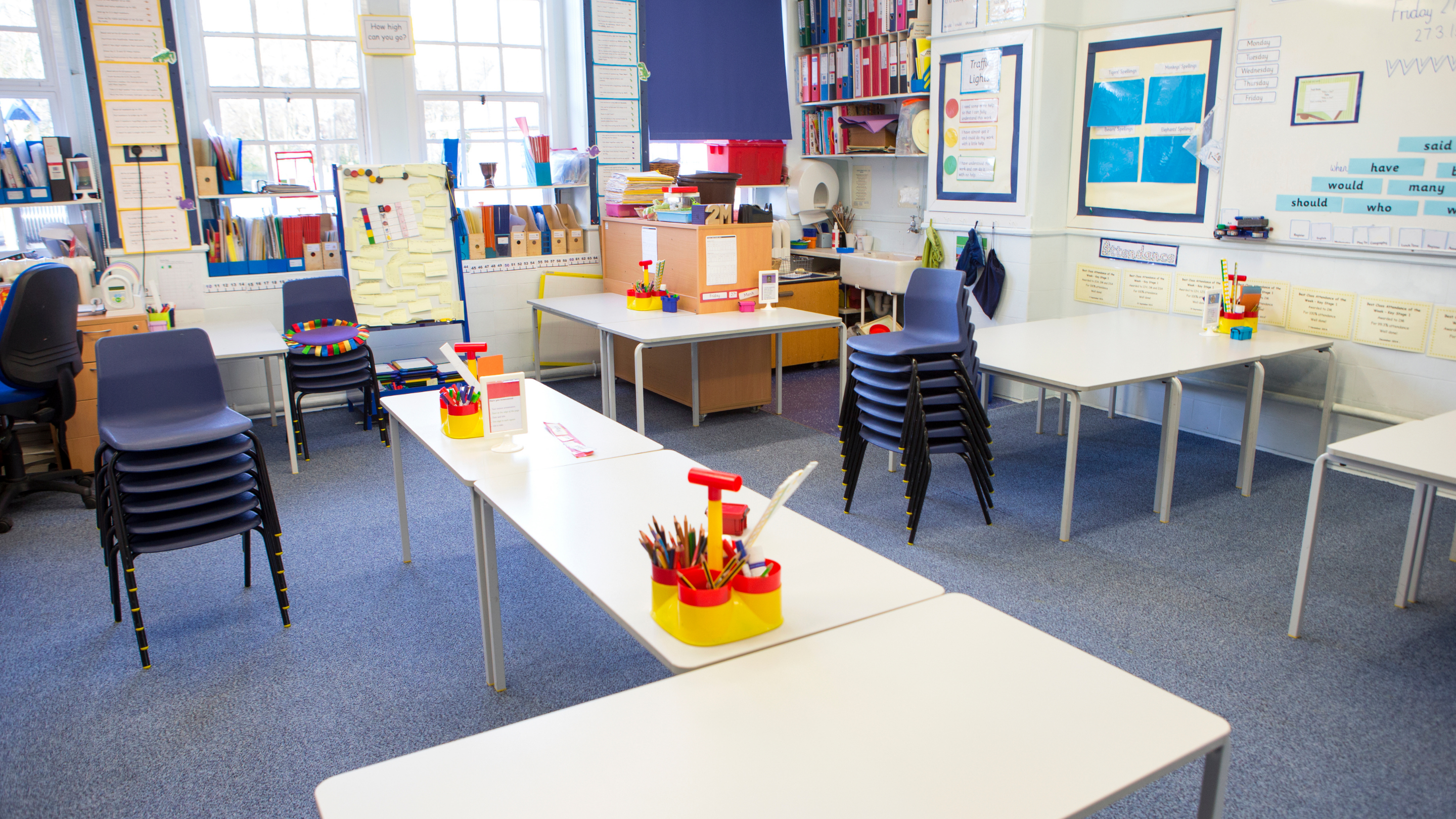
The photographs accompanying this article capture valuable moments of active learning: from group discussions and case analyses to the creation of teaching materials and presentations. These images not only show the work done, but also reflect the enthusiasm, dedication and collective effort of the participants, who proudly take firm steps towards excellence in their work.
Community involvement
The sessions I’ve facilitated have been well attended by Hispanic providers committed to their professional growth. The photos accompanying this article reflect the participants’ enthusiasm, dedication, and effort.
This work would not be possible without the commitment from DCF, The Registry, and partner agencies, who are working to raise the quality of early education in Wisconsin.
From the Asociación de Proveedoras Unidas, we will continue to promote accessible training spaces in Spanish for our communities.
“Educating with purpose is transforming lives. And every trained educator is a seed of change for the children we care for.” — Carmen Hernández, Registered Trainer with The Registry